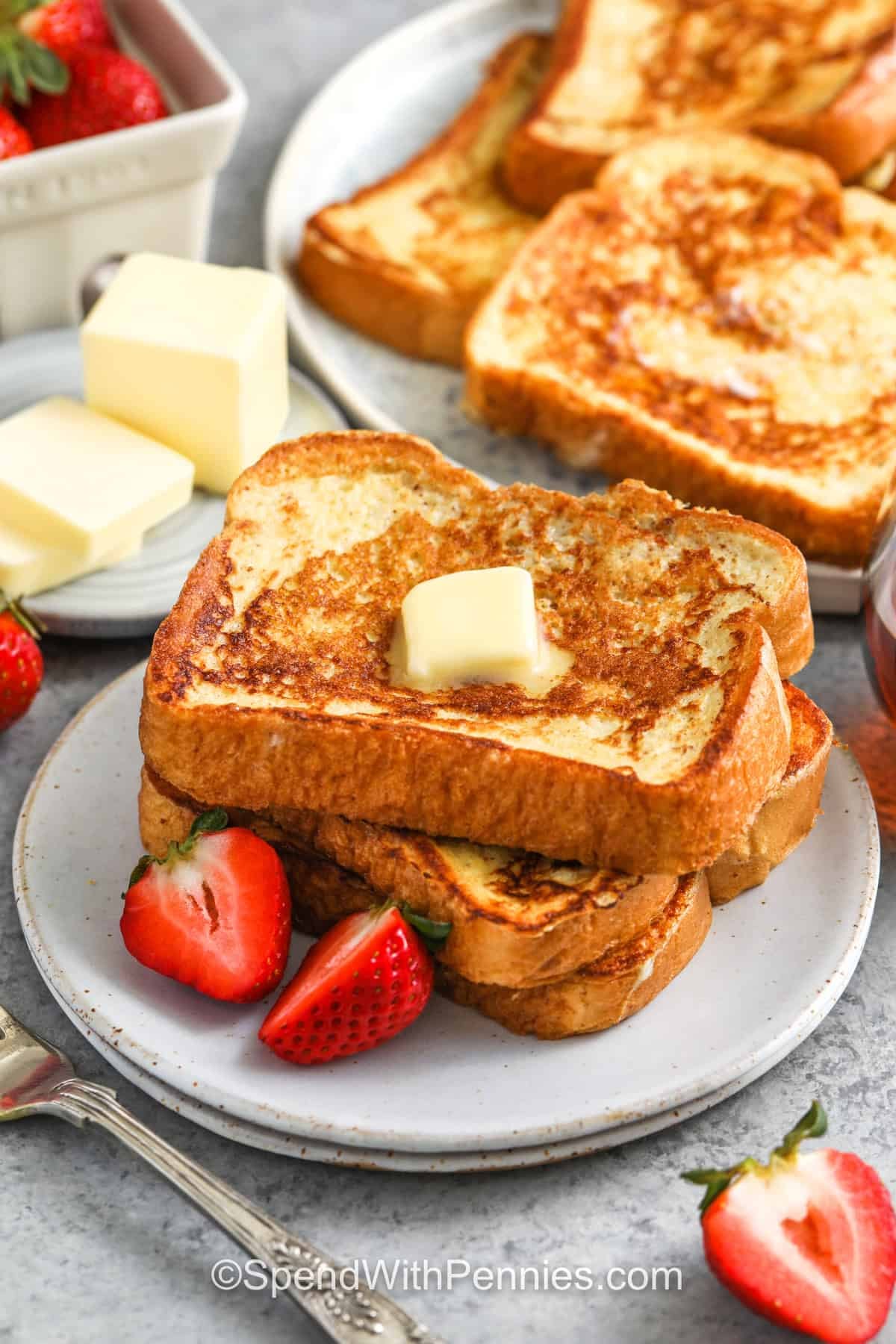
There are few breakfast or brunch dishes as universally beloved as French Toast. That perfect golden-brown exterior, a whisper of crispness giving way to a warm, custardy interior, all drenched in maple syrup… it’s the stuff of weekend dreams. But achieving that idyllic balance isn't always as straightforward as it seems. Many home cooks struggle with soggy centers, burnt outsides, or toast that falls apart. Fear not! This comprehensive guide will equip you with the best french toast recipe, revealing the secrets to consistently making a batch that earns rave reviews, every single time.
Unlocking the Magic: The Science of Perfect French Toast
Before we dive into the ingredients and steps, let's understand why certain techniques yield superior results. The secret to truly exceptional French toast lies in a bit of food science, transforming simple bread and eggs into a gourmet delight. This isn't just about mixing and cooking; it's about harnessing the power of proteins and sugars.
- The Custard Core: The magic truly happens when the egg proteins in your batter coagulate. This process, ideally occurring between 140-180°F (60-82°C), transforms the liquid egg mixture into that incredibly soft, custard-like texture within the bread. Too high heat, and the outside burns before the inside sets; too low, and it never truly cooks through, leaving a raw, eggy center.
- The Maillard Reaction: That beautiful golden-brown crust and enticing aroma? Thank the Maillard reaction. This complex chemical process between amino acids (from the egg proteins) and reducing sugars (from the milk and any added sweetener) occurs at high temperatures, creating hundreds of new flavor compounds and that desirable caramelization. This is also why a touch of dairy fat (like heavy cream) helps achieve a richer color without burning.
- The Power of Stale Bread: Here's a surprising but crucial tip: stale bread is your best friend. While counter-intuitive, day-old or even two-day-old bread performs significantly better than fresh. Why? As bread ages, it dries out, creating microscopic pockets within its structure. These tiny air spaces act like sponges, effectively trapping more of your rich custard base without turning the bread into a soggy mess. When dipped, these pockets fill, and upon cooking, the proteins set while trapped moisture turns to steam, contributing to that incredible contrast between crispy exterior and creamy center. If you want to dive deeper into the science, check out our article: French Toast Secrets: Unlock The Science of Creamy Perfection.
Choosing Your Canvas: The Best Bread for French Toast
The foundation of any great French toast begins with the right bread. Forget thin, floppy sandwich bread; you need a sturdy, slightly dense loaf that can stand up to the custard and cooking process. The goal is absorption without disintegration.
Our Top Bread Picks:
- Challah: This enriched Jewish bread, often braided, is a perennial favorite. Its rich, eggy, and slightly sweet flavor profile perfectly complements the custard, and its dense yet airy crumb soaks up the batter beautifully without becoming oversaturated.
- Brioche: Another enriched bread, brioche is famous for its high butter and egg content, resulting in a tender, fluffy crumb and a rich, slightly sweet taste. Like challah, it absorbs the custard well and yields an incredibly decadent French toast.
- Texas Toast or Other Thick-Cut Loaves: If challah or brioche isn't available, look for thick-sliced white bread or even artisan-style loaves. The key is thickness (at least 3/4 to 1 inch per slice) to ensure a good bread-to-custard ratio and prevent quick sogginess.
- Sourdough (for a tangier twist): While not traditional, a dense sourdough loaf can offer a delightful tangy contrast to the sweet custard and toppings. Ensure it's thick-cut and day-old.
Remember the 'Stale' Rule: Regardless of your choice, ensure your bread is 1-2 days old. If you only have fresh bread, you can mimic staleness by laying slices out on a wire rack overnight, or even lightly toasting them in a low oven (around 250°F / 120°C) for 10-15 minutes to dry them out slightly before dipping. This simple trick is essential for any great french toast recipe.
Crafting the Ultimate Custard: Ingredients for Success
The custard base is where the flavor truly takes hold. While simple, a few key additions elevate your standard egg-and-milk mixture into a rich, aromatic elixir. This perfected base is what sets apart a good french toast recipe from a truly great one.
Essential Custard Ingredients:
- Large Eggs: The backbone of your custard. You'll need a good number to ensure a rich coating.
- Milk (or Cream): While whole milk is standard, adding a tablespoon or two of heavy cream makes a significant difference. The extra fat creates a richer, more luxurious custard base and contributes to that desirable golden crust without burning prematurely. Dairy-free alternatives like almond or oat milk can also work, though they might yield a slightly less rich result.
- Sweetener: Granulated sugar is common, but a touch of brown sugar can add depth. You can also use maple syrup or honey directly in the mixture for an extra layer of flavor. Adjust to your personal preference.
- Flavorings:
- Vanilla Extract: Non-negotiable for that classic, comforting aroma. Use good quality pure vanilla.
- Ground Cinnamon: A traditional pairing that adds warmth and spice. Adjust the amount to your liking, or omit if you prefer.
- Pinch of Salt: This is often overlooked but crucial! A tiny bit of salt balances the sweetness and enhances all the other flavors, preventing the French toast from tasting flat.
- Nutmeg (Optional): A pinch of freshly grated nutmeg can add another layer of warm spice, especially delightful with cinnamon.
Pro Tip: Whisk your custard mixture thoroughly until it’s uniform and slightly frothy. This ensures even distribution of flavors and prevents lumps of egg white. A well-mixed custard is key to an evenly cooked and delicious French toast.
The Art of the Dip & Sizzle: Cooking Your French Toast
You've got the perfect bread and the ultimate custard. Now it's time to bring it all together on the griddle. This is where precision prevents sogginess and ensures that coveted crispy-creamy balance, making or breaking your french toast recipe.
Step-by-Step Cooking Mastery:
- Preheat Your Griddle/Pan: Heat a large non-stick griddle or heavy-bottomed skillet over medium-low heat. This temperature is critical. High heat will burn the exterior before the interior has a chance to cook through, leaving you with raw, eggy centers. Low heat takes too long and can dry out the bread. Melt a tablespoon of butter (or use a neutral oil) on the cooking surface.
- The Perfect Dip: Dip each slice of stale bread into the custard mixture for approximately 10-15 seconds per side. This is crucial for absorption without over-soaking. Too little time, and you'll have dry spots; too much, and the bread becomes a mushy, hard-to-handle mess. Let any excess custard drip off before transferring to the griddle. For more insights on this, read: No More Soggy French Toast: Master The Crispy-Creamy Balance.
- Cook Patiently: Place the dipped bread slices onto the preheated, buttered griddle, ensuring not to overcrowd the pan. Cook for 3-5 minutes per side, or until golden brown and the center is set. Resist the urge to rush! French toast needs time for the egg proteins to fully coagulate throughout the bread, creating that perfect custard-like interior.
- Keep Warm: As you finish cooking batches, transfer the French toast to a wire rack set over a baking sheet in a warm oven (around 200°F / 93°C) to keep them warm and prevent them from getting soggy while you cook the rest.
Serving Suggestions & Creative Variations
Once your perfect French toast is cooked, the fun continues with toppings and accompaniments. The classics are always a hit, but don't hesitate to get creative!
Classic & Gourmet Toppings:
- Pure Maple Syrup: The quintessential topping. Warm it gently for an extra luxurious touch.
- Fresh Berries: Strawberries, blueberries, raspberries, or a mixed berry compote add freshness and a touch of tartness to cut through the richness.
- Whipped Cream: A dollop of homemade whipped cream is always a welcome addition.
- Powdered Sugar: A dusting of confectioners' sugar adds a beautiful finish and subtle sweetness.
- Butter: A small pat of melting butter on top just before serving enhances richness.
Creative Twists:
- Nutty Crunch: Sprinkle with chopped pecans, walnuts, or almonds.
- Chocolate Drizzle: A drizzle of chocolate sauce or melted Nutella for a decadent treat.
- Caramel or Fruit Syrups: Beyond maple, try a homemade blackberry syrup, peach compote, or a salted caramel drizzle.
- Savory French Toast: While less common, omit the sugar and cinnamon from the custard and serve with bacon, fried eggs, and a drizzle of hot sauce for a unique savory experience.
Conclusion
Armed with these insights and techniques, you're now ready to master the art of French toast. From understanding the scientific dance of egg proteins and stale bread to meticulously crafting your custard and patiently cooking each slice, every step contributes to an unforgettable brunch experience. This isn't just a french toast recipe; it's a guide to culinary perfection, ensuring every bite is a harmonious blend of crispy, creamy, and utterly delicious. So gather your ingredients, follow these tips, and prepare to delight your family and friends with the best French toast they've ever tasted!
