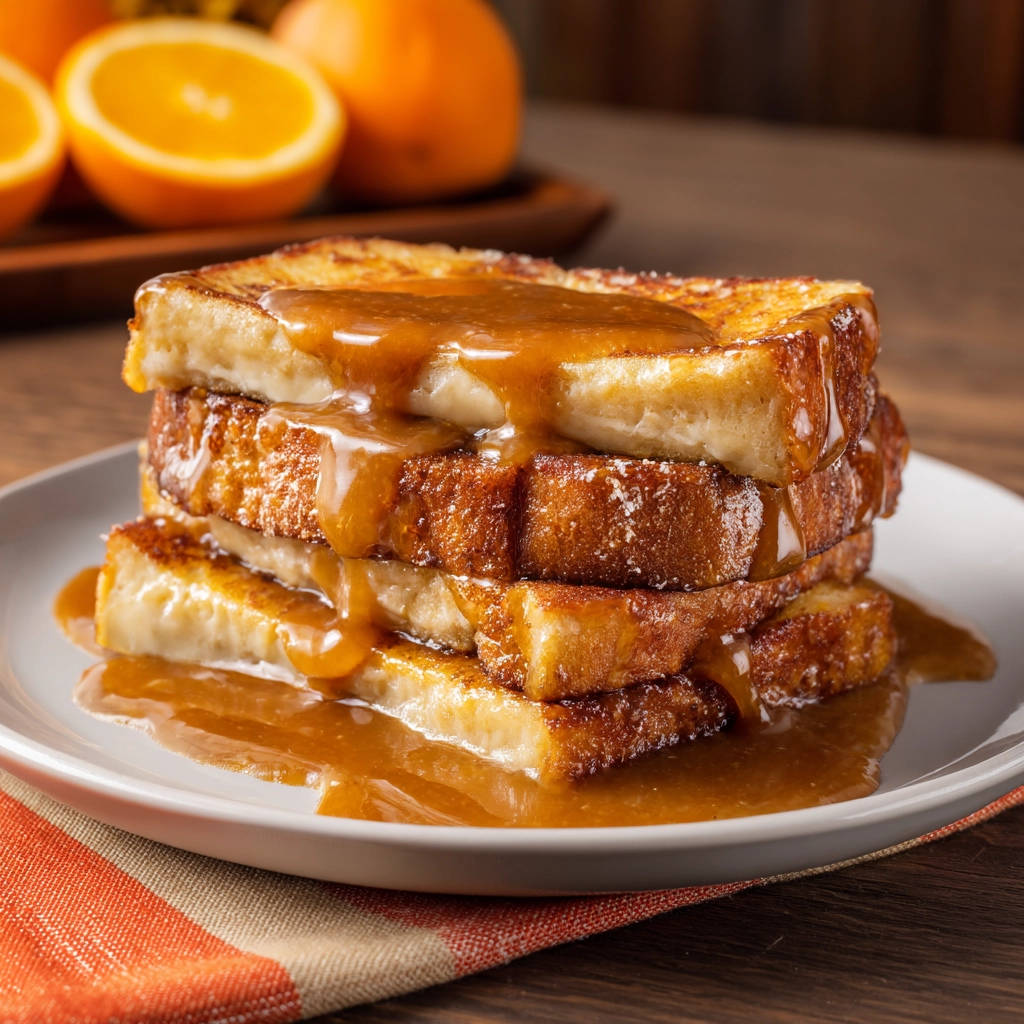
There's a universally acknowledged truth in the world of breakfast: a truly great French toast is a masterpiece of contrasts. It's that elusive balance between a gloriously crispy, golden-brown exterior and a luxuriously soft, custard-like interior that transforms a simple meal into an unforgettable experience. Too often, however, home cooks encounter French toast that's either disappointingly soggy, inexplicably dry, or frustratingly burnt on the outside with a raw, eggy center. If you've ever yearned for the kind of French toast that receives rave reviews and leaves everyone asking for your secret, you've come to the right place. Say goodbye to guesswork and hello to mastering the crispy-creamy balance with our ultimate french toast recipe.
The Culinary Alchemy: Understanding the Perfect French Toast Recipe
The journey to perfect French toast isn't just about mixing ingredients; it's about understanding the subtle science at play. What looks like a straightforward dish is, in fact, a fascinating interplay of temperature, texture, and chemistry. The magic truly begins when the egg proteins in your custard base hit the sweet spot of 140-180°F (60-82°C). At this precise temperature range, these proteins undergo coagulation, setting into that desirable, delicate, custard-like texture that makes the interior of French toast so incredibly appealing.
But there's more to it than just the eggs. As your bread cooks on the griddle, another crucial reaction takes place: the Maillard reaction. This complex chemical process occurs between amino acids and reducing sugars (like the lactose found in milk), creating hundreds of new flavor compounds and giving your French toast that irresistible golden-brown crust and a wonderfully nutty, caramelized aroma. This is why a good french toast recipe isn't just a list of ingredients, but a guide to harnessing these scientific principles for culinary success.
The Foundation: Choosing and Preparing Your Bread Wisely
The single most overlooked secret to non-soggy French toast lies in your choice of bread and its preparation. While intuition might tell you to reach for the freshest loaf, the opposite is actually true: stale bread is vastly superior for French toast.
Why Stale Bread Wins Every Time
- Structure for Absorption: As bread dries out, its internal structure changes, creating microscopic air pockets. These tiny spaces are like sponges, perfectly primed to absorb the custard mixture without dissolving into a mushy mess. Fresh bread, with its higher moisture content and softer structure, simply collapses and tears when soaked, leading to a truly soggy outcome.
- Structural Integrity: Day-old bread holds its shape better. This means less crumbling when you dip it and, crucially, less tearing when you flip it on the griddle.
We recommend using bread that is 1-2 days old. If you don't have day-old bread readily available, don't despair! You can quickly "stale" fresh bread by slicing it and laying the slices out on a wire rack overnight, or by baking them in a very low oven (around 200°F/95°C) for 10-15 minutes until slightly dried out but not toasted. For more insights into bread choices, check out our guide on Easy French Toast: The Best Recipe & Bread for Brunch.
Best Bread Types for Your French Toast Recipe
The right bread provides the perfect canvas for your custard. Here are our top picks:
- Brioche: This rich, buttery, and slightly sweet bread is an absolute dream for French toast. Its dense crumb absorbs the custard beautifully and holds up well under heat.
- Challah: Similar to brioche, challah is a slightly eggy, braided bread that offers a wonderful texture and flavor profile. Its sturdy nature ensures it won't fall apart.
- Sally Lunn: A traditional British sweet yeast bread, Sally Lunn is known for its light texture and slightly sweet flavor, making it another excellent choice for absorbing rich custard.
- Texas Toast or Pullman Loaf: For a classic diner-style French toast, thick slices (¾ to 1 inch thick) of these sturdy white breads work wonderfully.
Avoid: Thinly sliced sandwich bread or very fresh, soft artisanal loaves, as these tend to become overly saturated and fall apart.
Crafting the Custard: The Heart of Your French Toast
The custard base is where the flavor truly blossoms. A well-balanced custard will infuse your bread with richness, sweetness, and aromatic spices.
Essential Ingredients for a Stellar Custard
- Large Eggs: These are the backbone of your custard. Their proteins are what set and create that creamy texture.
- Milk (or Dairy-Free Alternative): Use your favorite. Whole milk provides extra richness, but 2% or even a good quality dairy-free milk like oat or almond milk can work beautifully.
- The Secret Weapon: Heavy Cream: This is a non-negotiable for achieving that luxurious, golden crust and truly rich interior. Adding a tablespoon or two of heavy cream to your egg mixture significantly boosts the fat content. This extra fat not only contributes to a richer, more decadent custard base but also aids in the Maillard reaction, helping you achieve that beautiful, evenly golden-brown crust without it burning before the center is cooked through.
- Sweetener: Granulated sugar, a touch of maple syrup, or even brown sugar can be whisked into the mixture. Start with a moderate amount; you can always add more syrup later.
- Flavorings:
- Vanilla Extract: A splash of pure vanilla extract is essential for that classic, comforting aroma.
- Ground Cinnamon: A generous pinch or two adds warmth and depth.
- Nutmeg: A small grating of fresh nutmeg can elevate the spice profile even further.
- A Pinch of Salt: Don't skip this! A tiny bit of salt balances the sweetness and enhances all the other flavors, preventing your French toast from tasting flat.
The Perfect Dipping Technique
Once your custard is thoroughly whisked (no streaks of egg white!), the dipping process is critical for achieving that ideal crispy-creamy balance. Too little soaking leaves dry spots, while too much leads to sogginess. The sweet spot is dipping each slice for exactly 10-15 seconds per side. This allows the bread's microscopic pockets to absorb ample custard without becoming over-saturated. After dipping, lift the slice and allow any excess custard to drip off before transferring it to the griddle. This prevents pooling and ensures an even cook.
The Art of the Cook: From Griddle to Plate
You've chosen the perfect bread and crafted an exquisite custard; now it's time to bring it all together on the griddle. This final stage is where patience and precise heat control truly pay off.
Mastering Heat Control
This is arguably the most common pitfall for aspiring French toast makers. The temptation to crank up the heat to speed things along is strong, but resist it! For perfectly cooked French toast, medium-low heat is paramount. High heat will quickly burn the exterior, creating a dark, bitter crust while leaving the interior raw, eggy, and utterly unappetizing. French toast needs time—usually 3-5 minutes per side—for the egg proteins to fully coagulate and set all the way through, resulting in that uniform, custardy texture.
Cooking Fat Matters
Melt a tablespoon of unsalted butter (or a combination of butter and a neutral, high-smoke-point oil like grapeseed or avocado oil) on your griddle or non-stick skillet over medium-low heat. The oil helps prevent the butter from burning too quickly while still allowing you to enjoy butter's rich flavor. Ensure the fat is evenly distributed before placing your bread.
The Flipping and Finishing Touch
Place the dipped bread slices onto the preheated, buttered griddle, ensuring not to overcrowd it. Cook until a beautiful golden-brown crust forms on the bottom, then carefully flip and cook the other side until it, too, is golden and the French toast feels firm to the touch, indicating the center is fully cooked. If you're cooking for a crowd, keep finished slices warm on a baking sheet in a low oven (around 200°F/95°C) while you cook the remaining batches.
Serving Suggestions
The perfect French toast deserves equally perfect accompaniments. Drizzle generously with high-quality, real maple syrup. A dollop of whipped cream, a dusting of powdered sugar, and a scattering of fresh berries (strawberries, blueberries, raspberries) add freshness and visual appeal. For a savory contrast, crispy bacon or sausage makes an excellent pairing, turning your French toast into a truly satisfying breakfast or brunch centerpiece.
With these insights and techniques, you're now equipped to transform humble ingredients into a breakfast masterpiece. Forget soggy failures and burnt disappointments; by understanding the science and embracing the best practices, you can consistently achieve that coveted crispy-creamy balance. This comprehensive french toast recipe is more than just instructions; it's your guide to breakfast perfection, ensuring every bite is a delightful journey of texture and flavor. So, grab your day-old challah, whip up that rich custard, and prepare to impress!
