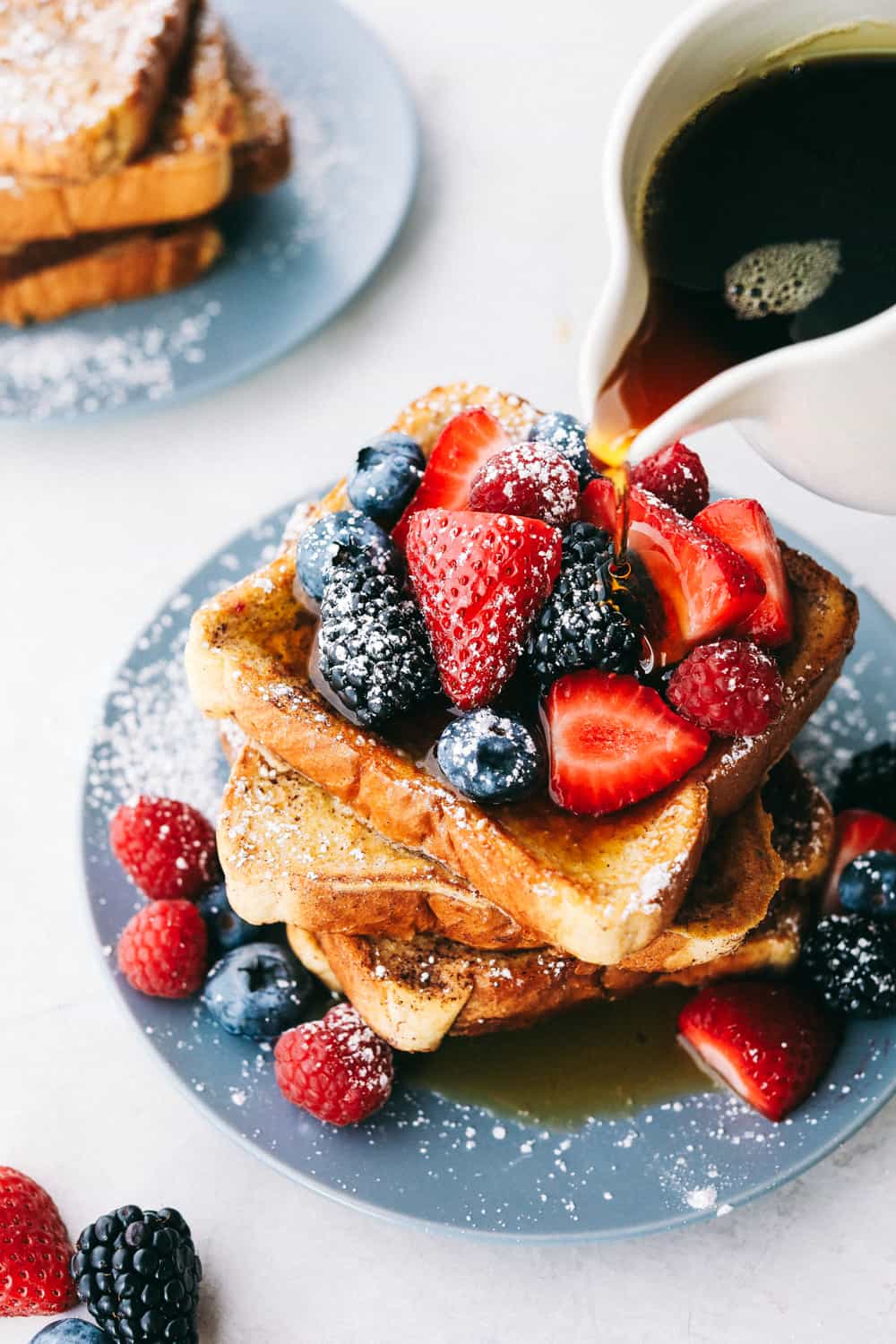
French Toast Secrets: Unlock The Science of Creamy Perfection
French toast. For many, it's the ultimate comfort food, a classic breakfast or brunch staple that evokes lazy weekend mornings and sweet indulgence. But have you ever wondered what truly separates a good batch from an *extraordinary* one? It's more than just dipping bread in egg; it's a delicate dance of food science, a precise symphony of ingredients and techniques that results in that coveted crispy exterior and unbelievably creamy, custard-like interior. Mastering the perfect
french toast recipe isn't just about following steps; it's about understanding the "why" behind them. Let's delve into the delicious chemistry that transforms humble bread and eggs into a culinary masterpiece.
The Unsung Hero: Why Stale Bread Reigns Supreme
Forget everything you thought you knew about using fresh ingredients. When it comes to French toast, a day or two-old loaf is your secret weapon. This isn't laziness; it's pure genius, backed by science. Fresh bread, with its high moisture content, tends to become soggy and disintegrate when soaked in the custard mixture. It struggles to hold its shape during cooking, often tearing when flipped, leading to a disheartening, mushy mess.
Stale bread, however, has undergone a natural drying process. This loss of moisture creates a slightly firmer, more porous structure, forming microscopic pockets throughout the crumb. When you immerse that slightly dried bread – be it challah, brioche, or even a good sourdough – into your egg mixture, those tiny air spaces act like sponges. They efficiently trap the liquid custard without immediately breaking down, allowing the bread to absorb a significant amount of flavor and moisture without becoming waterlogged. As heat is applied during cooking, this trapped moisture turns to steam, creating that essential airy lightness while the proteins set.
For the ultimate foundation, we recommend using a rich, dense bread like
challah or
brioche that's 1-2 days old. Their inherent richness complements the custard beautifully, and their robust structure holds up perfectly. For more insights on choosing the ideal loaf, check out our guide:
Easy French Toast: The Best Recipe & Bread for Brunch. To prepare your bread, simply let it sit uncovered on your counter overnight. It’s a simple step that yields monumental results.
The Custard Concoction: Crafting Your Base
The heart of any exceptional
french toast recipe lies in its custard base. This isn't merely a mixture of eggs and milk; it's a carefully balanced blend designed for flavor, richness, and optimal setting.
Let's break down the components:
*
Eggs: These are the star of the show. Large, fresh eggs provide the necessary protein for coagulation, forming the creamy, set interior. Don't skimp on the eggs; they are what give French toast its signature texture.
*
Milk & Cream: While whole milk is perfectly acceptable, incorporating a tablespoon or two of
heavy cream is a game-changer. The extra fat content in heavy cream adds unparalleled richness to the custard, resulting in a more luxurious mouthfeel. Furthermore, this added fat assists in achieving that perfect golden-brown crust without prematurely burning, allowing the interior to cook through evenly. You can also experiment with dairy-free alternatives if preferred, though the richness might slightly differ.
*
Sweetener: A touch of sweetness balances the savory notes of the egg. Granulated sugar, brown sugar, or even maple syrup can be whisked directly into the custard. Adjust to your personal preference.
*
Flavorings: This is where the magic truly unfolds. A generous splash of
vanilla extract is non-negotiable for that classic aroma. Ground
cinnamon is another staple, offering warmth and spice. Don't be afraid to experiment with a pinch of nutmeg or even a dash of cardamom for an adventurous twist.
*
Salt: A tiny pinch of salt might seem counterintuitive in a sweet dish, but it's crucial. Salt enhances and balances all the other flavors, preventing the French toast from tasting one-dimensionally sweet.
Whisk all these ingredients together until thoroughly combined but not overly frothy. You want a smooth, homogenous mixture ready to embrace your bread.
The Science of Soaking and Searing: Mastering the Cook
The cooking process for French toast is where the real scientific transformation occurs. It's a delicate balance of heat, time, and precise technique.
*
The Perfect Dip: This step is often underestimated. Submerge each slice of stale bread into your custard mixture for approximately
10-15 seconds per side. This specific timing is critical. Too short, and you'll have dry, eggy spots that won't cook properly or develop color. Too long, and even stale bread will become oversaturated, leading to a mushy, hard-to-handle mess. After dipping, allow any excess liquid to drip off for a few seconds before transferring to the pan. This prevents your pan from becoming flooded with raw egg mixture, which can burn and stick. For a deep dive into avoiding common pitfalls, see our article:
No More Soggy French Toast: Master The Crispy-Creamy Balance.
*
Temperature Control is Key: Resist the urge to crank up the heat! French toast demands patience and a
medium-low heat. Why? The magic of French toast happens when egg proteins coagulate, transforming from liquid to a firm, custard-like state. This process occurs optimally between
140-180°F (60-82°C). High heat will rapidly brown or even burn the exterior long before the internal temperature reaches this critical range, leaving you with a charred outside and a raw, eggy center. Medium-low heat allows the heat to penetrate slowly and evenly, ensuring the proteins throughout the bread fully set, creating that perfect creamy consistency.
*
The Maillard Reaction: As your French toast cooks, something wonderful happens on the surface. The lactose (milk sugar) and proteins in your custard undergo the Maillard reaction – a complex chemical reaction responsible for the browning and development of savory, nutty, and rich flavors. This is what gives French toast its irresistible golden-brown hue and depth of flavor. A little butter melted on your griddle or non-stick pan not only prevents sticking but also aids in this browning process, contributing to a superior crust.
*
Don't Rush It: Cook each side for about 3-5 minutes, depending on the thickness of your bread and the exact heat, until deeply golden brown and cooked through. The center should feel set when gently pressed, not jiggly.
Beyond the Basics: Elevating Your French Toast Experience
While the classic
french toast recipe is a delight in itself, understanding the science allows you to innovate and personalize.
*
Serving Suggestions: The perfect French toast deserves worthy companions. A generous drizzle of warm, pure maple syrup is non-negotiable in our book. Add a dollop of freshly whipped cream, a scattering of fresh berries (strawberries, blueberries, raspberries), or even a sprinkle of powdered sugar for visual appeal and an extra touch of sweetness. For a balanced meal, pair it with a side of crispy bacon or sausage.
*
Creative Custard Infusions: Elevate your custard by infusing the milk before mixing. Gently warm milk with vanilla bean pods, orange zest, or a cinnamon stick, then let it steep before cooling and proceeding with the recipe. This adds subtle layers of flavor.
*
Storage and Reheating: Leftover French toast (if you manage to have any!) can be stored in an airtight container in the refrigerator for 2-3 days. Reheat gently in a toaster oven, a lightly buttered pan, or even a conventional oven to restore some of its crispness. Microwaving is an option for speed but will often result in a softer texture.
Conclusion
Making truly exceptional French toast moves beyond a simple cooking task; it becomes an exercise in applied culinary science. By understanding the role of stale bread, the importance of a rich, balanced custard, and the precise techniques for soaking and cooking at the right temperature, you can consistently achieve that sought-after crispy exterior and utterly creamy interior. This isn't just a
french toast recipe; it's a blueprint for perfection, empowering you to create a breakfast experience that will earn rave reviews every single time. So, gather your ingredients, embrace the science, and prepare to unlock the secrets of creamy, golden French toast bliss!